
WHAT THE NEW NAME GETS RIGHT, AND WHAT IT MEANS FOR YOU
You may have seen this in the news earlier this year, and several clients have already asked me about it in clinic. In May 2026, polycystic ovary syndrome (PCOS) was formally renamed polyendocrine metabolic ovarian syndrome (PMOS). The change followed an international consensus process involving 56 academic, clinical and patient organisations, with surveys that drew responses from more than 14,300 people with PCOS and health professionals. It was published in The Lancet, with Professor Helena Teede as lead author [1].
It is the first time the name has changed in decades, and it matters more than it might sound. A name shapes who gets tested, what they are told and which specialist they are sent to.
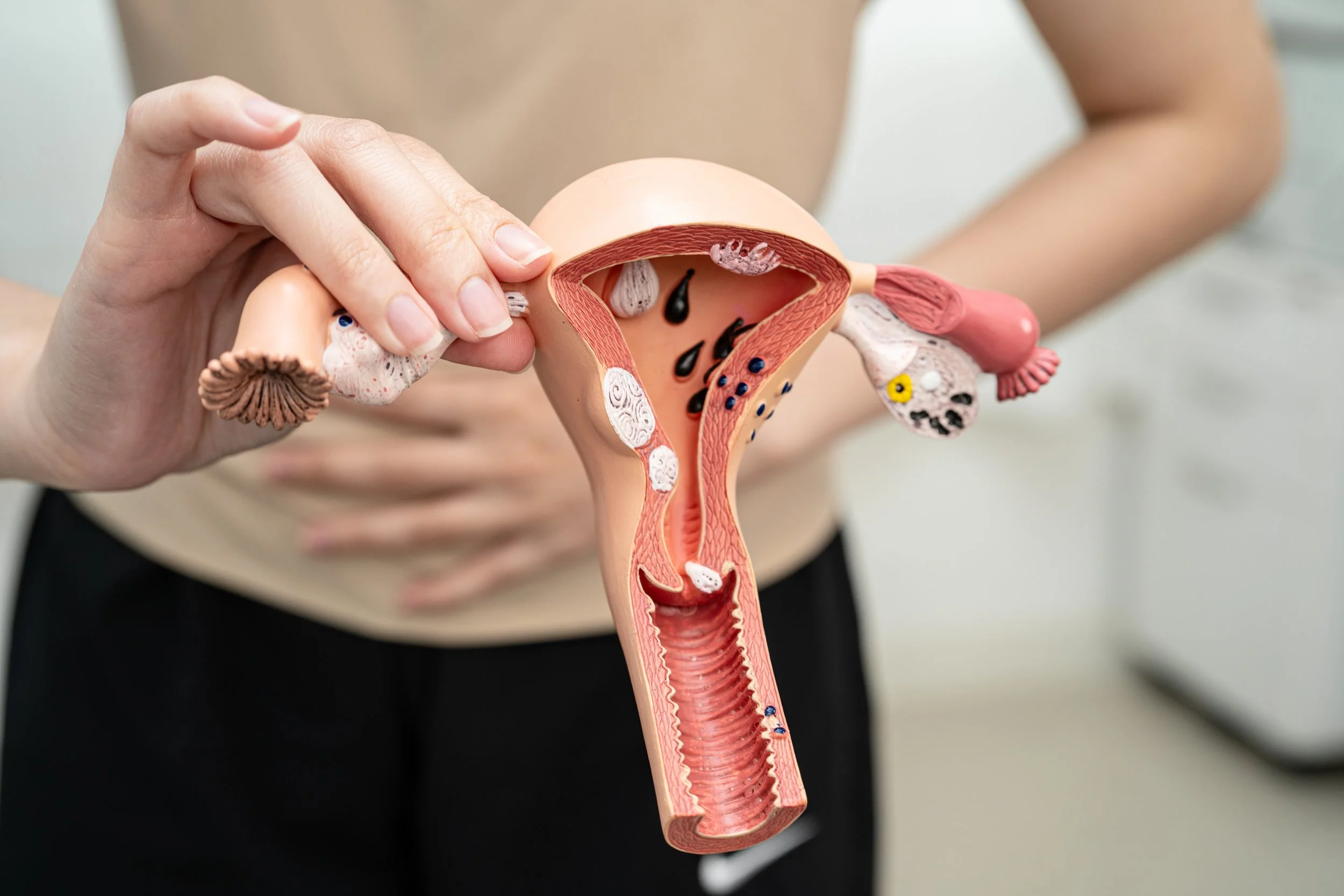
It is the first time the name has changed in decades, and it matters more than it might sound. A name shapes who gets tested, what they are told and which specialist they are sent to.
THE PROBLEM WITH THE OLD NAME
"Polycystic" refers to what can be seen on an ultrasound scan, but those are not cysts in the medical sense. They are small follicles, each holding an egg that has not matured and been released that cycle. The word stuck decades ago and has misled people ever since.
It anchored the condition in people's minds, including many clinicians, as an ovarian problem first. Women were, and often still are, told their "cysts" are the issue, sent for scans and offered the contraceptive pill to regulate their cycles, while the hormonal and metabolic picture underneath goes unexamined.
The name also caused diagnostic confusion in the other direction. You do not need polycystic-looking ovaries to have the condition. The 2023 international guideline already allowed a blood test for anti-Müllerian hormone (AMH) to be used in place of an ultrasound in adults, which fits with the fact that the scan was never the heart of it [2].
WHAT THE NAME PMOS GETS RIGHT
The new name reflects what many specialists have understood for a long time: this is a whole-body hormonal and metabolic condition, not a localised ovarian one.
"Polyendocrine" acknowledges that several hormone systems are involved. Alongside reproductive hormones, that includes insulin and often the adrenal glands too. "Metabolic" recognises that insulin resistance sits close to the centre of the condition for many women. "Ovarian" keeps the link with ovulation and fertility.
Researchers now describe it as a lifelong condition affecting around 10 to 13 percent of women of reproductive age, with reproductive, metabolic, psychological and skin effects [3].
WHY INSULIN RESISTANCE MATTERS SO MUCH
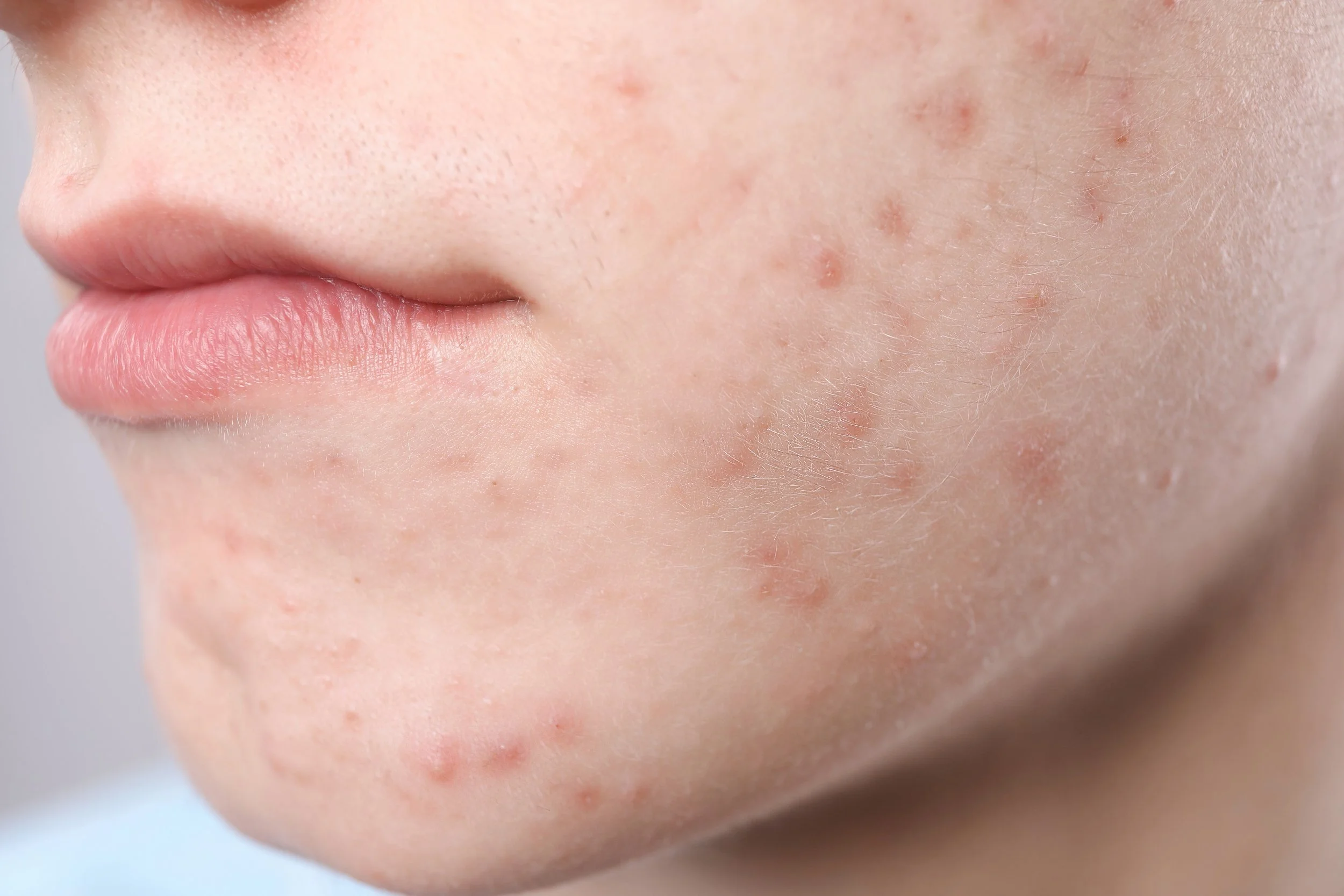
This is the part that ties in with this month's theme. When insulin resistance is present, the body makes more insulin to keep blood sugar steady. In the ovaries, high insulin acts alongside luteinising hormone to push androgen (male-type hormone) production up. High insulin also lowers sex hormone binding globulin (SHBG), the protein that mops up testosterone in the blood, so more of it stays active [4,5]. The result can be irregular or absent periods, acne, excess hair growth and scalp hair thinning.

Studies using the gold standard method for measuring insulin resistance, the hyperinsulinaemic euglycaemic clamp, show it is common in women with PCOS, including those at a healthy weight, although it is more frequent and more marked with excess weight [6]. A 2026 review puts it at around 75 percent of lean women and 95 percent of women with overweight in PMOS [3]. It is not universal, though, and that is worth saying plainly. Not everyone with PMOS is insulin resistant, and weight is only part of the story.
This is also why treating the insulin picture often improves the "reproductive" symptoms in a way that focusing on the ovaries alone never did.
THE LONGER-TERM PICTURE
Because PMOS has been seen as a fertility issue, its long-term health effects have been underplayed. A large meta-analysis of long-term studies found women with PCOS had roughly three times the risk of type 2 diabetes and around 75 percent higher risk of hypertension compared with women without it [7]. A UK Biobank study of women with a median age of 61 found higher rates of type 2 diabetes, cardiovascular disease and fatty liver in those with PCOS, compared with matched controls [8]. A Danish study following over 25,000 women with PCOS found a higher risk of heart attack and ischaemic stroke, although the absolute risk was low [9].
I want to keep this in proportion. These are increased risks, not certainties, and they point to the value of early checks and steady habits rather than anything to fear.
I want to keep this in proportion. These are increased risks, not certainties, and they point to the value of early checks and steady habits rather than anything to fear.
PMOS AND MENOPAUSE
Many of my clients are in perimenopause or beyond, so this is a question I get asked a lot: does it go away? Periods stop, but the condition does not simply switch off.
A systematic review and meta-analysis of women aged 45 and over found that higher androgens persisted after menopause in women with PCOS, along with higher fasting insulin and insulin resistance markers, and higher odds of diabetes [10]. Much of the extra cardiometabolic risk appeared linked to the higher weight and waist measurements that often accompany PCOS, and the authors were clear that the evidence is limited and of low quality. An older, smaller study showed that raised insulin response, ovarian androgen output and inflammation persisted after menopause in women with PCOS, even after adjusting for BMI for some of the measures [11].
Menopause itself brings falling oestrogen, more abdominal fat and reduced insulin sensitivity, so for women with PMOS the two can layer on top of each other. I cover this in Part 1 of my series, The Menopause Change Your Blood Test Might Miss.
WHAT THIS MEANS PRACTICALLY, IF THIS AFFECTS YOU
If you have been diagnosed with PCOS, nothing about your diagnosis or history changes overnight. The change is being phased in over a managed three-year transition, with the guideline due to be updated in 2028, so you will probably still see "PCOS" on your records, referral letters and prescriptions for some time. But it is a good moment to check that your care reflects the fuller picture.
Things worth asking about:
Glucose testing. The 2023 guideline recommends assessing blood sugar regulation at diagnosis and regularly afterwards, with a 75g oral glucose tolerance test the preferred option, rather than relying only on a fasting glucose or HbA1c [2].
Blood pressure, cholesterol and weight or waist measurement. These are part of the guideline's recommended cardiometabolic checks [2].
Mood and anxiety. The guideline recommends screening for depression and anxiety, which are more common in PCOS [2].
Fasting insulin. The guideline does not recommend routine insulin measurement for diagnosis, and results can be hard to interpret. In clinic, I often include it within a wider cardiometabolic panel because it can add useful context for the nutrition and lifestyle plan, but it is an extra tool, not a replacement for glucose testing.
WHAT HELPS
Lifestyle is the first-line treatment in the international guideline, and that means more than "eat less and move more" [2]. Exercise, with or without dietary change, has been shown to improve insulin resistance, body composition and metabolic measures in women with PCOS [12].
If insulin resistance is part of your picture, the blood sugar strategies in this month's newsletter apply directly. Eating protein and fibre before starchy carbohydrate, not eating carbohydrates on their own, a short walk after meals, and regular strength training are the habits I go back to most with clients. For the full list, see my article The Menopause Change Your Blood Test Might Miss.
If you would like to look at this together, you can book a consultation with me via my contact page.
REFERENCES